
A spare house key not working does not automatically mean the lock needs replacement. If the regular key still operates smoothly, the spare may have a fit or cutting problem. If every key resists, the lock or door may need attention. Stop before a key bends or breaks.
The goal is to distinguish a key-specific problem from a lock problem while preserving safe access. This guide is for keys you are authorized to use at your own home or managed property in Scottsdale.
Spare house key not working: compare the right details
Start with the history. Has this spare ever worked in this exact lock? Was the lock changed since the key was made? Is the spare a copy of another copy, or was it cut from a reliable original? A key that has never worked provides different evidence from a long-used spare that suddenly binds.
Compare visible labels and key shapes without filing or altering either key. Similar-looking blanks can belong to different keyways. A keyway is the shaped opening in the lock cylinder; the wrong blank may not enter correctly even before the cuts come into play.
| Symptom | Possible direction | What to report |
|---|---|---|
| Regular key works; spare never has | Key blank, cut, or fit issue | Where the spare was made and which key was copied |
| Spare will not enter fully | Wrong key, visible damage, or an obstruction | Whether the regular key still enters normally |
| All keys turn easily only with the door open | Door or bolt alignment may contribute | Whether closing changes the resistance |
| All keys bind even with the door open | Cylinder or hardware condition needs review | When the problem began and any recent work |
Observe the lock without risking a lockout
If you already have safe interior access and the door can remain open securely, compare ordinary operation with the door open and closed. Do not repeatedly lock yourself outside to test an unreliable spare. Keep another authorized person or a reliable entry option available during any routine check.
Do not force a key that stops short. Avoid pliers, filing, glue, and miscellaneous household sprays. A visibly bent or cracked blade should be removed from use. If a fragment remains in the cylinder, leave extraction to a suitable professional rather than pushing it deeper.
Manufacturer guidance helps explain the distinction: Schlage’s door-latching guide discusses the door and strike relationship, while its mechanical-lock troubleshooting guide separates several lock symptoms. Follow the guidance for your actual hardware rather than assuming every cylinder uses the same maintenance product.
When a new duplicate makes sense
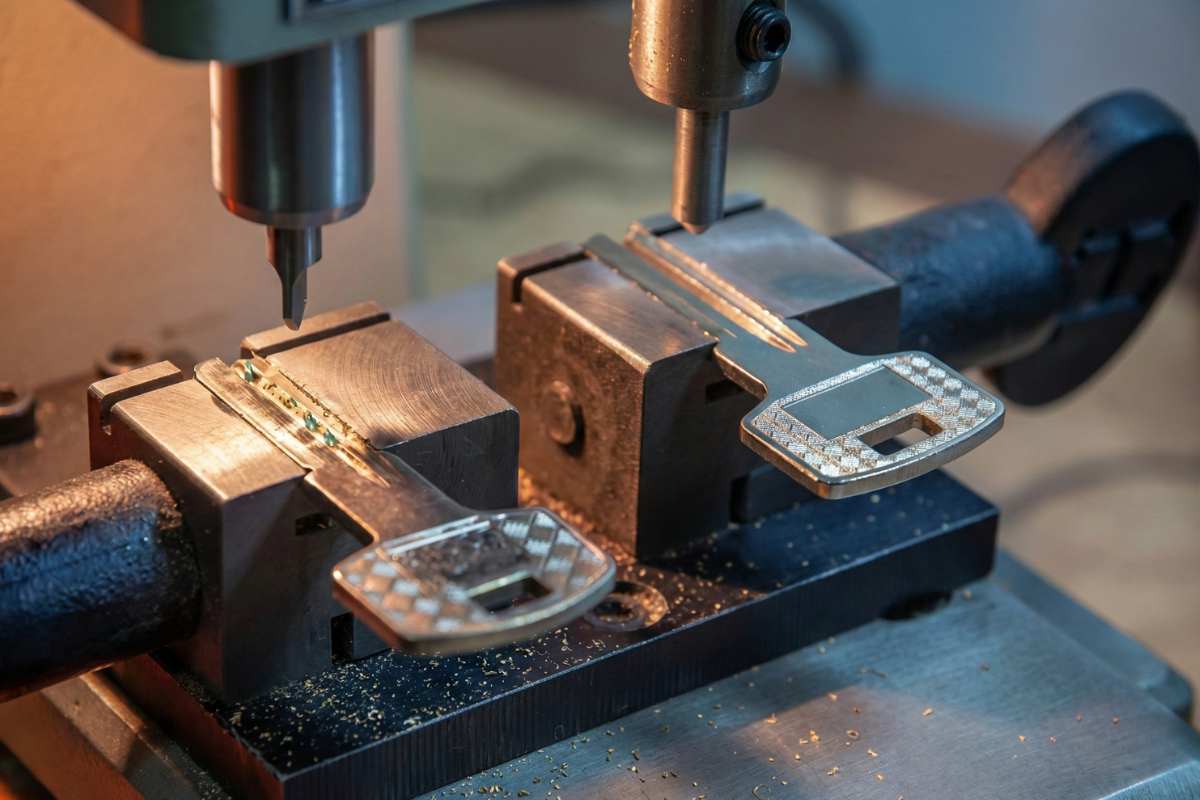
If a known reliable key operates the lock normally and only one duplicate fails, ask about a fresh key assessment. Bring the working key and the failed spare through the provider’s agreed process. Explain if the working key is itself worn; duplicating its wear may not produce the best reference.
Scottsdale Lock & Key lists house key duplication. Confirm support for the key type, any restrictions, and how the new key will be tested. The aim is a usable authorized spare, not just a blade that looks similar on a counter.
When the lock or alignment needs attention
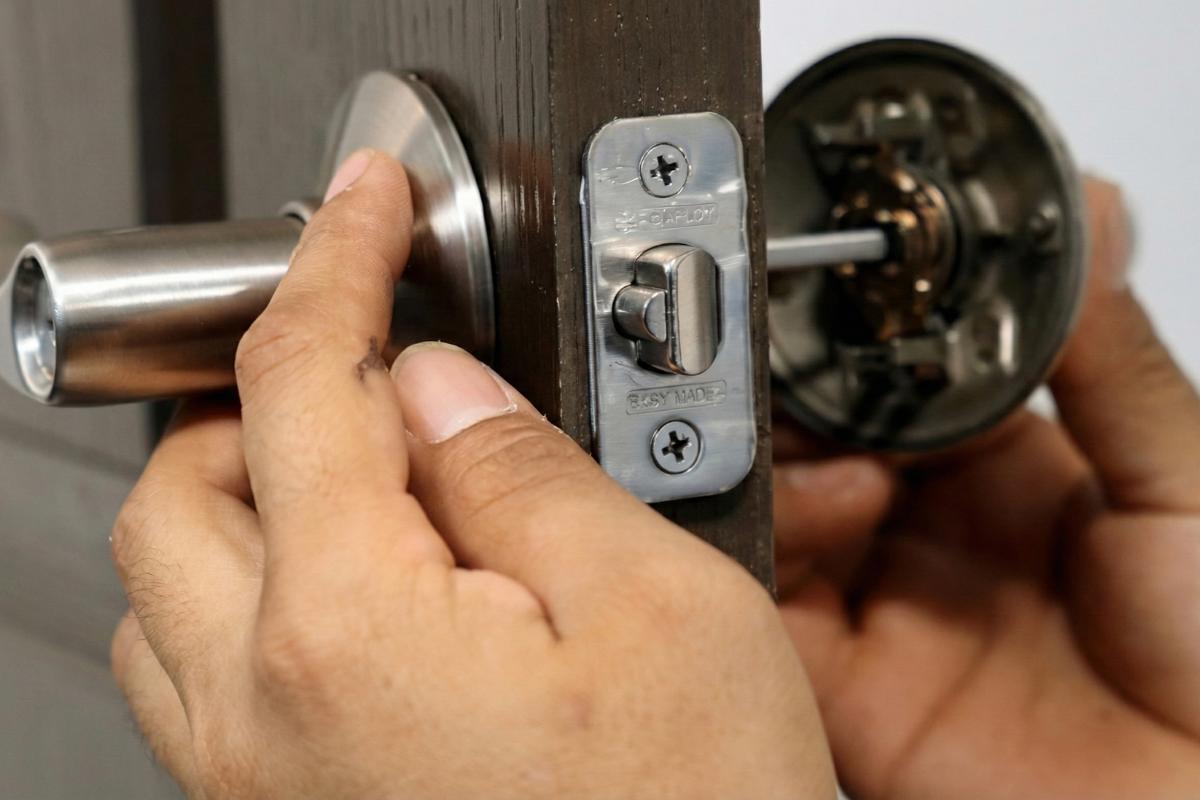
If both keys have become difficult, a new duplicate may leave the underlying problem untouched. The company lists door lock alignment service and lock repair and adjustment. Describe the actual symptom so an inspection can consider the door, frame, bolt, and cylinder together.
Information to gather before the appointment
- Whether the spare ever worked in this lock.
- Which other authorized keys still work normally.
- Whether resistance changes when the door is open.
- The visible hardware brand and any recent installation or door work.
- Whether you currently have safe access or are locked outside.
Confirm authorization requirements before requesting work, especially for a rental, condominium, or managed property. Ask for approval from the responsible owner or manager when needed. A spare-key issue should not trigger an unapproved change to shared building hardware.
A practical testing plan for the replacement
Illustrative example, not a company service record: A homeowner receives a spare that enters the lock but binds, while the existing key works. A replacement is assessed against the correct lock and tested with the door open before routine closed-door use. If both keys bind only after closing, the decision shifts toward inspecting alignment rather than making repeated copies.
Before relying on a new spare, confirm normal insertion, rotation, removal, and the intended lock operation. Arrange a residential locksmith assessment if the result remains inconsistent. Label stored spares discreetly without attaching a full home address.
Five planning checks for a spare house key not working
1. Establish whether it ever worked
Begin with the spare’s history in the exact lock concerned. A duplicate that has never operated correctly is different from a key that worked for years before the lock was changed. Explain which situation applies and when the failure was noticed. Keep the failed spare intact rather than filing it to imitate another key.
A spare house key not working after an authorized rekey may simply belong to the previous arrangement. Confirm what work occurred and which keys were supplied at completion. Do not assume a key remains current because it has always been stored under the same household label. Key validity follows the locking arrangement rather than the storage location.
2. Preserve a reliable comparison
If another key operates normally, keep it available through the provider’s agreed process. Explain whether that reference is an original, a duplicate, or a visibly worn key. A known working comparison can be useful without establishing every detail of the lock’s condition. Avoid making another copy of an unreliable spare before explaining why it failed.
If no key can be described as reliable, say so. The provider may need a broader assessment rather than a straightforward duplicate request. A spare house key not working is not enough information to decide whether cutting, hardware, or door fit needs attention. Describe the available references and the actual behavior before choosing a service.
3. Distinguish entry from rotation and bolt movement
State whether the key enters fully, rotates, withdraws, or meets resistance during the intended lock operation. Those are different observations. A blade that stops short should not be forced deeper for a better description. Keep the present condition and report what occurred through ordinary use, including any visible damage to the key.
Where an open-door comparison was safely observed, explain whether closing changes the behavior. Keep this separate from deciding the cause. If the lock works only while lifting or pushing the door, report that workaround as an unresolved symptom rather than normal use. The provider can explain which parts of the opening require assessment.
4. Keep access available during coordination
Tell the provider whether you currently have authorized interior access or are locked outside. That distinction affects the service request. Do not create a lockout by relying on the unproven spare as your only entry method. Coordinate with another authorized person or preserve an existing reliable entry option while arranging the appointment.
For a spare house key not working at a shared entrance, contact the responsible manager before testing or changing hardware. Other occupants may depend on the same opening. Explain who can approve duplication and who can authorize lock work. The request should identify both the immediate access concern and the approval needed for any proposed change.
5. Ask how the result will be verified
Confirm that a proposed replacement is intended for the identified lock and ask how ordinary operation will be checked. A blade that looks correct is not the complete outcome. Discuss insertion, rotation, withdrawal, and the intended locking function while preserving safe access. If the result remains inconsistent, report it before treating the key as a dependable spare.
Keep a clear record of which copy was tested and who received it. Where several spares are ordered, ask about checking each one rather than assuming identical appearance establishes identical performance. Separate obsolete or uncertain copies from the confirmed current keys so another household member does not later rely on an unproven duplicate.
Compare the proposed service with the actual complaint
A duplicate, a rekey, hardware adjustment, and replacement are different services. Ask the provider to explain which finding supports its recommendation. A single spare house key not working may justify key assessment without proving a need for new hardware. Conversely, several keys resisting in the same opening may require more than another copy.
If your household also wants to change who has access, describe that as a separate outcome. A working duplicate does not invalidate missing keys. Ask how any access change relates to the existing equipment and which current copies will remain usable. Keep the mechanical complaint and the key-control decision separately recorded in the approved scope.
Check authorization and sourcing before buying
Some systems require a particular approval or supply route. Ask what applies to the actual key rather than assuming every blank can be copied through the same process. Bring existing product or property information if requested. A resemblance to an ordinary house key does not establish the appropriate duplication arrangement.
Clarify the policy on customer-supplied blanks and whether inspection should occur before a purchase. A cheap online blank may not suit the keyway or the proposed work. The service decision should be based on the installed system and available reliable reference, not a product image selected before compatibility has been discussed.
A useful appointment record for the household
Keep the affected opening, key history, reliable comparison, approval contact, and requested outcome together. Include recent door or lock work and what was already tried. Tell the provider if access arrangements change before the appointment. This supports a more productive visit without requiring you to dismantle hardware or expose private access details in public messages.
After service, retain the explanation of what was assessed and what changed. If a door-fit issue remains, keep the follow-up separate from the completed duplicate. Tell authorized users which keys are current and where any unresolved limitation applies. A concise handover is particularly useful when the person ordering the service is not the person storing the spares.
When a previously tested spare becomes unreliable
Report the new behavior and any intervening hardware work before ordering another duplicate. State whether the regular key still works and whether the failure concerns insertion, rotation, or the door’s position. Avoid altering the blade or applying an unfamiliar maintenance product that could obscure the comparison with the earlier service.
Use the existing record to explain the change. An intermittent spare house key not working deserves the same factual approach as a first failure. Preserve a reliable access arrangement, stop forceful use, and ask which assessment now fits the evidence. Do not keep circulating an uncertain key because it succeeded on one occasion.
Keep any revised recommendation with the original estimate. If the assessment changes the proposed service, confirm the new scope before work proceeds. This makes the final result understandable to the household member responsible for future key distribution.
Frequently Asked Questions
Can a duplicate look correct and still fail?Yes. Small differences in the blank, cut, or finishing can affect operation even when the keys look alike. Appearance alone cannot confirm fit. Compare performance with a known reliable key and have the duplicate inspected before altering it. A locksmith can explain whether the key or lock needs further attention. |
Should I copy the failed spare again?Tell the provider that the spare does not work before asking for another copy. Reproducing an unreliable reference can carry its problems forward. Bring a reliable original if one exists, and explain if it is worn. The correct approach depends on the key system and the condition of the available references. |
Why does the spare work only when I lift the door?That observation can indicate a door or hardware alignment issue, but it does not establish the cause by itself. Lifting the door should not become the normal way to operate the lock. Report the symptom and ask for an assessment of the hinges, strike, frame, and lock operation together. |
Should I sand or file the key myself?Changing the blade without knowing the correct specifications can make the key less reliable and complicate diagnosis. Preserve the key as it is and take it back for assessment. If it is visibly bent or cracked, stop using it so the problem does not become a broken fragment inside the lock. |
Can an old spare stop working after a lock change?Yes. A key belongs to a particular locking arrangement, not simply to the door address. After authorized work, ask which keys remain valid and test the keys you plan to keep. Separate obsolete keys from current ones so a family member does not rely on an invalid spare later. |
What if every house key has started sticking?That pattern calls for a broader assessment than replacing one duplicate. Describe whether the door position changes the resistance and whether the interior operation is also difficult. A technician can inspect key condition, cylinder behavior, and the door assembly rather than assuming the same problem exists in every key. |
Can I test a spare while standing outside?Start from a position that preserves your access, such as an open door when it is safe to keep it open. Do not close yourself out with an unproven spare as your only entry option. For a shared or managed entrance, coordinate testing with the responsible person so other occupants retain access. |
Do restricted keys require a different process?Some key systems have authorization or sourcing requirements. Ask the provider what applies to the exact key before arranging duplication. Do not assume that an ordinary-looking blade can be copied freely or that a label alone explains the system. The owner or property manager may need to approve the request. |
Should I replace the entire lock because one spare failed?A single failed spare is not enough evidence to recommend a full lock replacement. First establish how reliable keys behave and inspect the failed duplicate. Replacement may be appropriate for other reasons, such as damaged hardware or changed access needs, but those decisions should be explained separately. |
How can I store a working spare responsibly?Choose a storage arrangement that balances access and security for your household. Avoid attaching the property address to the key or leaving it in an obvious outdoor hiding place. Review who holds copies when occupants change and periodically verify stored spares through normal, authorized operation while maintaining another entry option. |
Final Thoughts
A spare house key not working is a reason to compare symptoms before replacing hardware. Preserve a reliable key, avoid force, and have the failed spare assessed against the lock it is meant to operate.
Call Scottsdale Lock & Key at (480) 660-6454 or contact the team to confirm service scope, compatibility, and current availability.