
Plan to change locks after moving by reviewing who may hold keys, which entrances you control, and whether the existing hardware works properly. A new key arrangement and replacement hardware solve different problems. Confirm ownership or permission, then choose work that addresses both access control and the condition of each door.
For a Scottsdale move, make this review part of the handover rather than a rushed purchase of matching-looking locks. This checklist helps a new owner or authorized occupant prepare for a useful locksmith visit without making assumptions about every property.
Change locks after moving: start with an access inventory
Receiving a set of keys does not tell you how many copies have circulated. Write down the entrances you are responsible for, including side and garage-to-house doors where applicable. Keep shared building openings separate from the locks inside your authority.
Ask about keys issued to former occupants, cleaners, contractors, and other authorized users. The purpose is to establish the current access plan, not to assume misconduct. Decide who needs ongoing access, who can approve changes, and how replacement keys will be distributed and stored.
| Move-in finding | Decision to discuss | What to confirm |
|---|---|---|
| Unknown number of existing key copies | A new authorized key arrangement | Which prior keys will no longer operate the affected locks |
| Loose, damaged, or unreliable hardware | Repair or replacement | Condition, fit, and intended lock function |
| Door needs lifting or pressure to lock | Door and strike assessment | Whether alignment work is needed before hardware selection |
| Shared or managed entrance | Coordinate with the responsible manager | Permission and building access requirements |
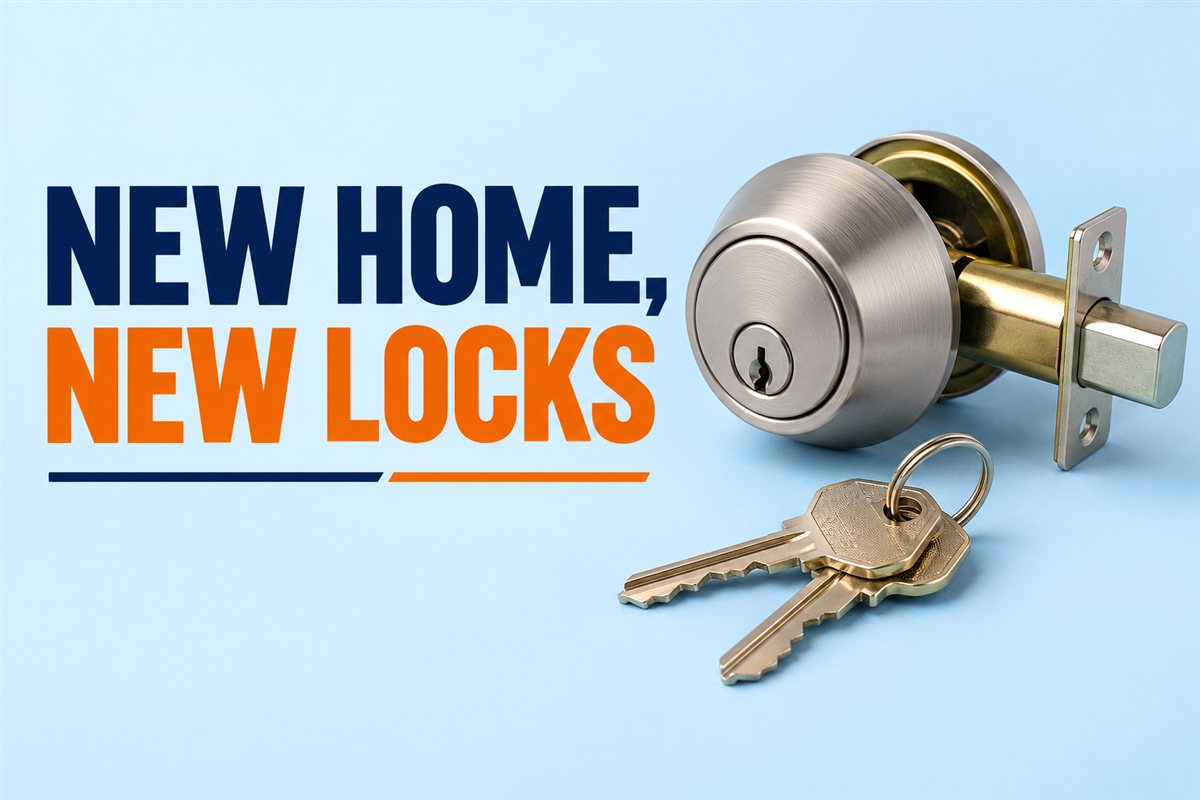
Understand access changes versus hardware replacement
Rekeying generally changes a compatible cylinder’s key arrangement while retaining suitable hardware. Replacing a lock changes the hardware itself. The right choice depends on condition, compatibility, desired function, and what service is available. Ask for a clear explanation instead of using the two terms interchangeably.
Scottsdale Lock & Key publishes a home lock change service. Explain your move-in situation and confirm the offered scope. Do not assume that every cylinder can be retained, that different brands can share a key, or that a particular rekeying option is available without checking.
Hardware replacement may make sense when an assembly is damaged, unreliable, unsuitable for the door, or inconsistent with the intended use. A sound-looking lock can still need an access change; a new key alone cannot repair a loose strike or an improperly closing door.
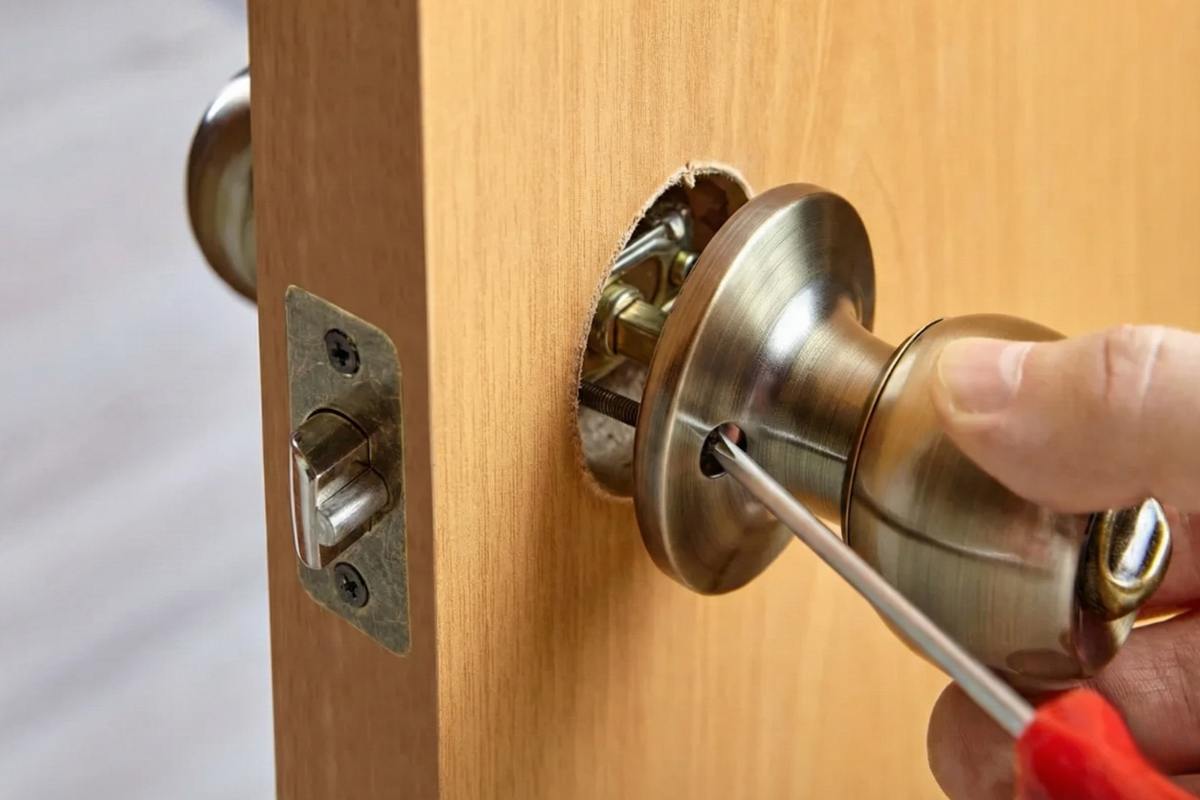
Check the door before choosing a new lock
With safe access maintained, note whether the current lock operates normally with the door open and whether closing changes that behavior. Report rubbing, movement at the hinges, a loose strike, or a bolt that requires pressure to engage. These observations help the technician evaluate the complete opening.
Schlage’s door-latching guidance discusses the relationship between the door and strike. Use it to understand why hardware and fit belong in the same conversation. A replacement lock should not be expected to compensate for an unassessed alignment problem.
The company lists door lock alignment service and lock repair and adjustment. Ask which findings affect the proposed work and whether the door can be secured reliably when the job is complete.
Considering keyless entry during the move?
A keypad can change daily access habits, but it still needs compatible door preparation and a functioning lock assembly. Think about who manages codes, how temporary access is removed, and what backup entry plan is appropriate. Avoid buying a model solely because its finish matches the door.
For that option, review keyless entry lock installation and confirm product support, fit, and the handover process. Use the manufacturer support information for the actual lock; features and setup requirements vary.
Prepare a clear move-in service request
- List the doors and existing lock types you want assessed.
- Identify who owns or manages each opening.
- Explain any unknown key history and desired access changes.
- Report hardware damage or difficult locking before ordering parts.
- Confirm authorization documents, estimate approval, and the key handover plan.
If you rent or live in a managed community, obtain the relevant approval before changing hardware. Check the agreement and applicable local requirements with the responsible party rather than treating a general checklist as legal permission. Shared entrances may use a building-wide access arrangement you cannot alter independently.
A useful handover check
Illustrative example, not a company case: A buyer has keys for three exterior doors. Two operate normally, while a third requires pushing against the door. The service request separates changing access at all three from inspecting the third opening’s fit. That distinction gives the technician a more useful brief than simply requesting three new locks.
After authorized work, test the agreed keys and functions while another entry option remains available. Confirm which old keys are obsolete, count the new copies, and document who receives them. The residential locksmith service can help frame the request around your actual doors rather than a generic equipment package.
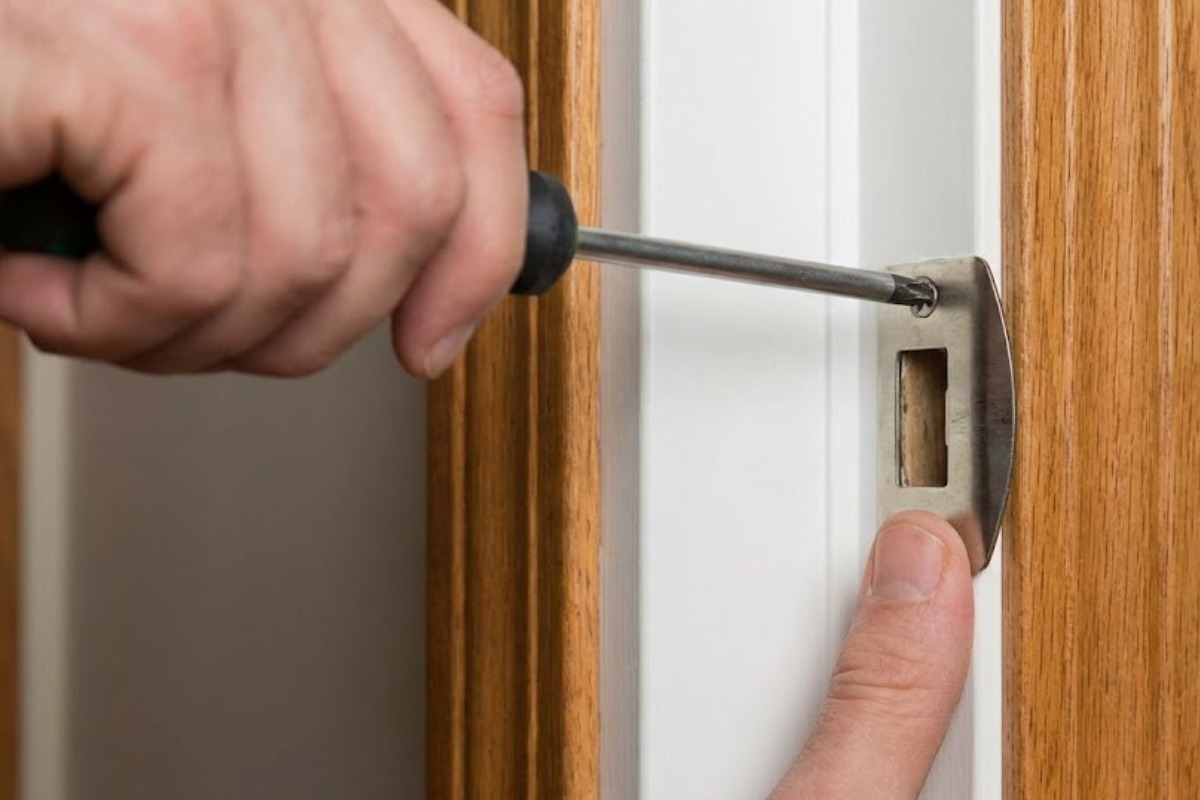
Five planning steps to change locks after moving
1. Identify the openings within your authority
Make a list by entrance rather than by the number of keys received. Include the front door, side entrance, and other relevant openings for which you are responsible. A shared building entrance belongs in a separate discussion with its manager. Mark any opening whose approval route is uncertain before arranging work.
When you plan to change locks after moving, establish when your authority and access begin. Confirm that the person approving the visit can authorize the requested work. A booking made before handover should identify those conditions clearly rather than assuming a moving date alone gives permission to alter every entrance.
2. Describe access history without guessing
Record the copies received and any information provided about existing users. Unknown distribution is a reason to review the access plan, not evidence of misconduct by a former occupant. Decide who should receive current keys and who manages future duplication. Keep that decision with the list of affected openings.
Ask the provider to explain the outcome of the proposed access change. Which prior keys will stop operating the included locks, and which openings remain outside the scope? That distinction is important when several doors or shared systems are involved. A new set of keys should not leave the household guessing which arrangement applies at each entrance.
3. Keep hardware condition separate from key control
Report loose parts, damaged hardware, and resistance already noticed during ordinary use. Describe whether closing the door changes the operation. Do not assume a new key arrangement will correct the fit of the opening. The provider needs the access goal and the mechanical observations together before recommending what can remain and what should change.
A decision to change locks after moving may involve suitable existing hardware or proposed replacements. Ask what findings support the choice. Product compatibility, intended function, and the condition of the opening matter more than matching finishes alone. Keep the explanation of any door or frame work separate from the key-distribution plan.
4. Compare proposals before ordering equipment
Give each provider the same opening list and desired access outcome. Ask whether the proposal includes assessment, identified hardware, installation, key work, and agreed testing. Clarify what would require additional approval. A quote for one entrance cannot be compared fairly with a proposal that covers several different doors and functions.
If you want to change locks after moving while adding keyless entry, describe that preference separately. Ask about the actual product’s fit, management, and handover requirements before buying it. A feature list does not establish suitability for the existing door. Confirm the policy on customer-supplied parts and how unsuitable equipment would affect the appointment.
5. Plan distribution and verification together
Decide who receives each confirmed key and how spares will be stored. Where several copies are supplied, discuss checking each one rather than relying on appearance. Preserve another safe entry option during the agreed verification. Keep obsolete or uncertain copies separate until their status has been explained.
At completion, ask which doors and functions were included and whether any limitation remains. Record the result against the original opening list. A household can then understand the completed plan without inferring it from a loose bundle of keys. Retain the product information and instructions needed for ongoing ordinary use.
A move-in worksheet that supports the appointment
For each opening, record the responsible owner or manager, existing hardware identification where accessible, present operating condition, and requested access outcome. Include who can approve additional work. Keep photographs limited to the equipment information requested by the provider, and share private access details through the agreed service process.
If you change locks after moving at a managed property, keep the written approval or responsible contact available. Tell the provider about shared arrangements before parts are ordered. Clarify whether the building manager has a required process for distributing approved keys or coordinating work so the private entrance and shared access are handled appropriately.
Keep a separate list of unresolved items
The initial visit may identify a door-fit issue, an unavailable compatible part, or another task requiring a different appointment. Record the recommendation, responsible person, and next step. Do not mark the entire move-in plan complete simply because one entrance received new hardware. A clear outstanding list helps the household follow through.
If the scope changes after assessment, keep the revised recommendation with the original estimate. Ask which outcome changes and whether other openings are affected. This avoids approving additional equipment without understanding its purpose and makes the final service record easier to compare with the work actually authorized.
Make the handover understandable to other occupants
The person arranging the service may not be the person managing spares or admitting future contractors. Share the practical result with the appropriate household members: current keys, included entrances, and any agreed follow-up. Avoid attaching a complete property address to portable keys or publishing access information as part of a move-in update.
For electronic products, use the applicable manufacturer handover instructions and identify the authorized person who manages access. Ask how the agreed setup was confirmed for that product. Keep this separate from ordinary door fit and locking checks. A working electronic feature does not explain every mechanical condition at the opening.
Review later changes against the recorded plan
If another user needs access after you change locks after moving, use the current distribution record rather than passing along an uncertain old key. Confirm any applicable duplication or approval process for the installed system. Update the household record when a copy is issued, returned, or replaced so the plan remains understandable.
If operation becomes difficult, report the affected entrance and the symptom instead of assuming every key needs replacing. Include the service date and any later door work. Preserve reliable access, stop forceful use, and ask which assessment fits the new evidence. The move-in access decision and a later mechanical complaint may require different responses.
Tell the provider if the appointment location, approval contact, or handover timing changes before the visit. Accurate arrangements allow the service to begin with the correct authority and the current opening list. Keep the scope practical and specific to the property rather than treating a general checklist as a universal package.
Frequently Asked Questions
Do I have to replace every lock when I move?The appropriate work depends on your access history, hardware condition, compatibility, and authority over the property. Review every entrance you control, but do not assume every lock needs identical work. Ask which items can remain and which need repair, replacement, or another authorized access change based on inspection. |
Does changing a lock always change the keys?Ask exactly what the proposed work includes. The phrase can describe different services, and the key arrangement should be stated clearly in the estimate. Before the handover, confirm which supplied keys operate which doors and whether prior keys remain valid for any locks outside the agreed scope. |
Can all my doors use one key afterward?Possibly, but compatibility and the existing hardware matter. Similar finishes do not establish matching keyways or suitable cylinders. Give the provider details of all affected doors and ask what is feasible before buying parts. The recommendation should also preserve the correct locking function for each opening. |
Should a tenant change the locks without notifying the owner?Coordinate with the responsible owner or manager before arranging changes and check the requirements that apply to the tenancy and property. This guide is not legal authorization to alter a lock. Shared access arrangements, emergency access needs, and approval procedures may affect what work can be carried out. |
What if the front door already has a keypad?Ask who controls the lock and any associated account, and follow the correct manufacturer handover process for that product. Review who should retain access and how access changes are confirmed. Also inspect ordinary door and bolt operation; electronic convenience does not eliminate mechanical fit or hardware condition concerns. |
Do I need to include the garage-to-house door?Include any entrance within your responsibility that affects access to the home. Treat the door between the garage and living area as its own opening with its own hardware and applicable requirements. Explain its current operation and ask the provider to assess appropriate work rather than assuming the front-door plan fits it. |
When should I arrange the visit around closing or handover?Plan around the point when you have the authority and access needed to approve work. Confirm the appointment directly, including documents, property access, and whether parts must be ordered. Avoid relying on an unconfirmed arrival time or changing hardware before the responsible parties have completed the necessary handover. |
Can I buy replacement hardware before the locksmith comes?Discuss the door, existing preparation, intended function, and product compatibility first. Ask whether customer-supplied hardware is accepted and who is responsible if it does not fit. An inspection may identify door or frame work that changes the best choice, so an early purchase can limit options unnecessarily. |
What should I do with keys that no longer work?Separate obsolete keys from current sets and confirm they truly are outside the new access plan before disposal. Avoid handing an old set to a family member who expects it to work. Record the current distribution of keys and use discreet labels that do not reveal the full property address. |
How do I verify the work before relying on the new setup?Test the agreed operation from both sides as appropriate while preserving another safe entry option. Confirm the door closes and the lock functions without unusual force, and check every supplied key intended for that opening. Ask for the service record, product information, and any instructions needed for the selected hardware. |
Final Thoughts
To change locks after moving, start with authorization, access history, and door condition. A clear inventory helps you choose suitable work and leave the handover knowing which keys and users remain authorized.
Call Scottsdale Lock & Key at (480) 660-6454 or contact the team to confirm service scope, compatibility, and current availability.